

How fansites coordinated without algorithms
Button exchanges, guestbooks, and webrings offered discovery long before social feeds. We trace the playbook fans used to promote new content and maintain trust with their audiences.



Button exchanges, guestbooks, and webrings offered discovery long before social feeds. We trace the playbook fans used to promote new content and maintain trust with their audiences.
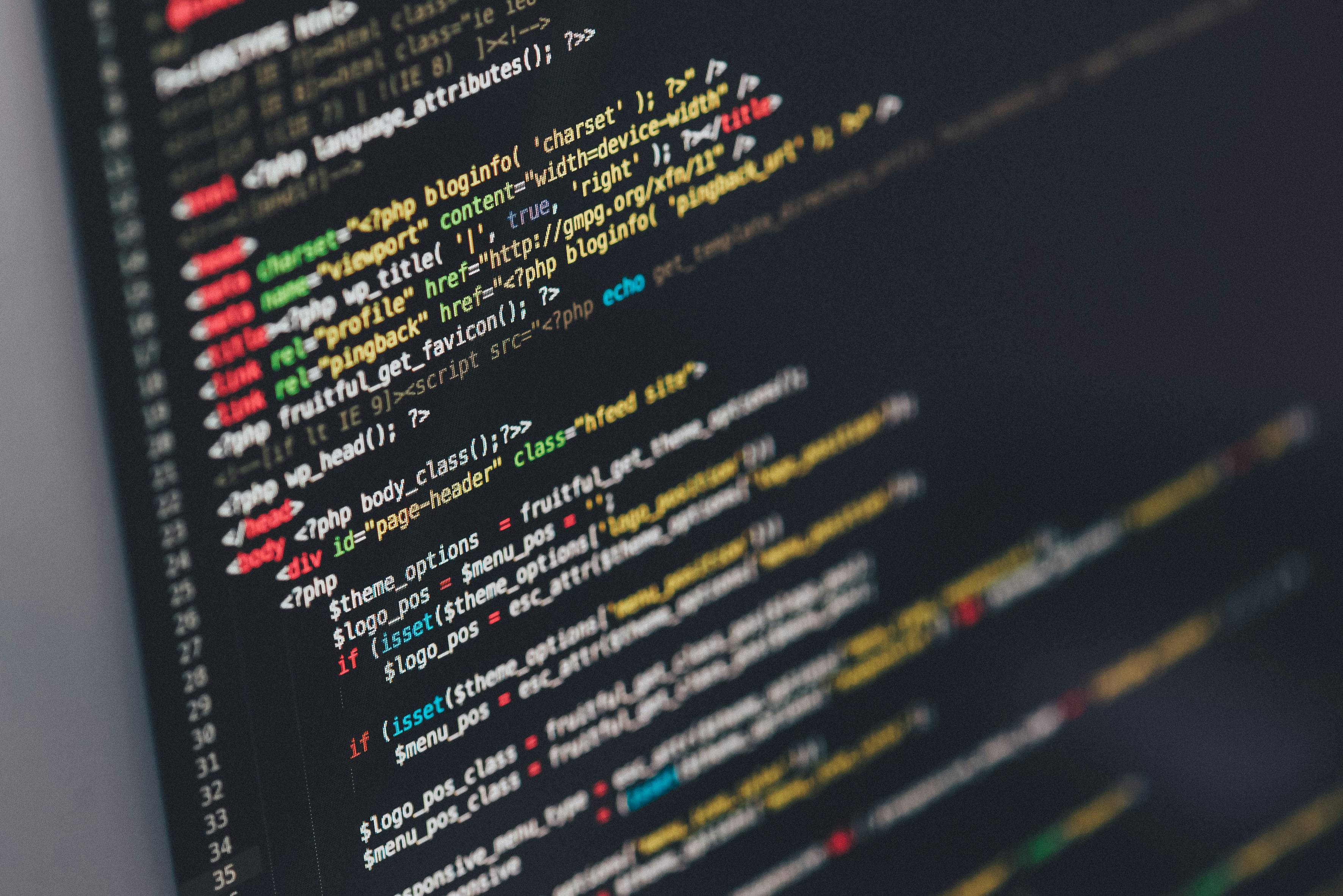


Always-on connections reshaped moderation norms and thread pacing. We examine the first wave of media embeds, hotlink etiquette, and why image compression mattered.



Perl scripts, framesets, and early PHP made publishing faster but not easier. We separate the real breakthroughs from hazy memories, with examples you can verify.


Zip archives carried identities across forums: skins, readme files, and rules for credit. We review formats and the etiquette that kept communities thriving.


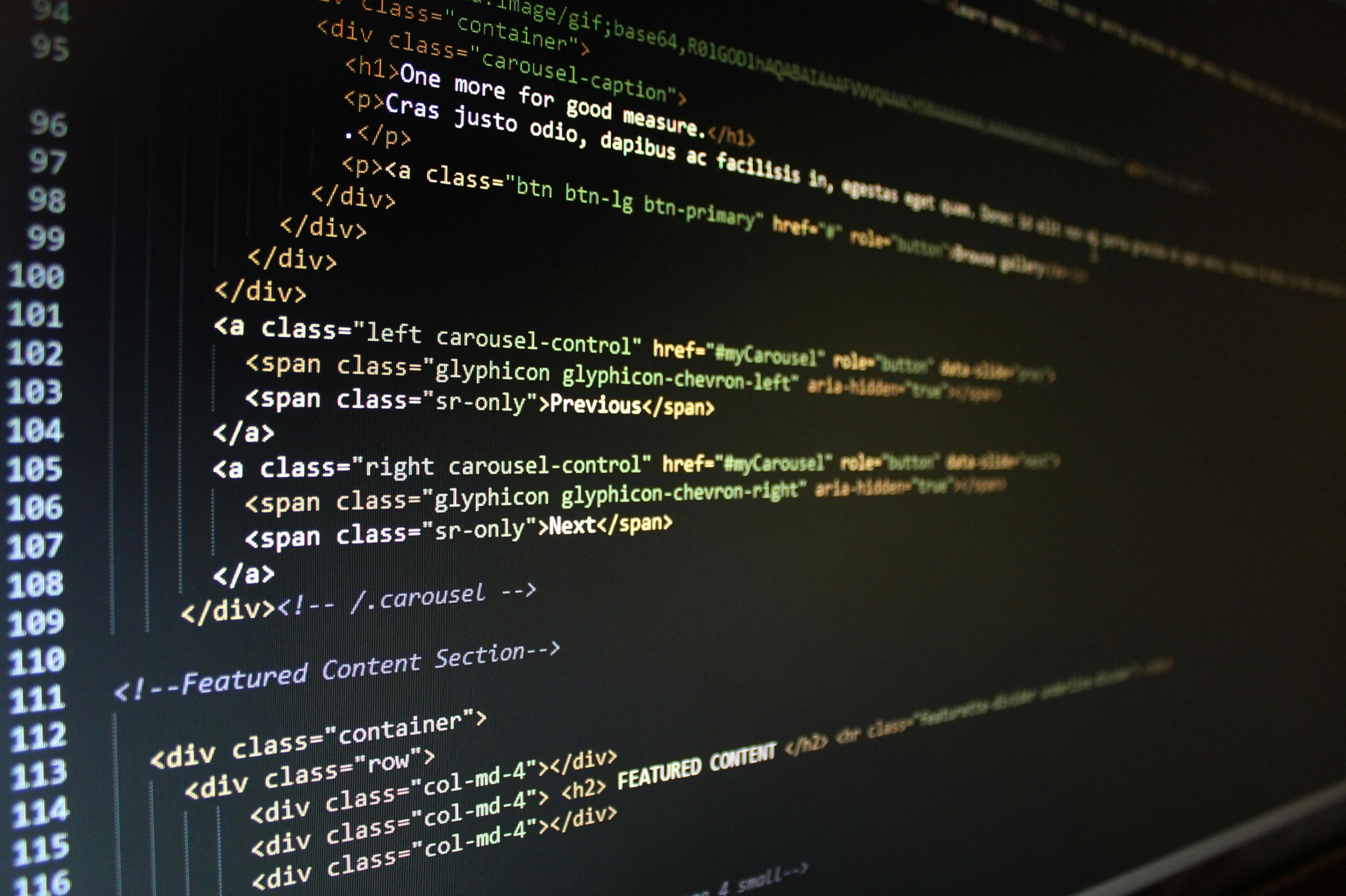
Before flexible CSS, layout tables were pragmatic. We show common patterns, accessibility trade-offs, and how the switch to CSS unfolded.



From theme packs to tweak tools, modding communities pioneered collaborative versioning. We look at release cycles and credit norms that predated mainstream platforms.
We publish pieces that add context, not noise. Posts are sourced, copy-edited, and reviewed for clarity and accessibility. When a term or practice has aged poorly, we explain its historical context and why norms changed. The aim is to produce durable resources that educators and journalists can cite with confidence.